How to Choose the Right Nameplate for Your Door
Acrylic, brass or wood? A practical guide to picking a nameplate that survives Indian weather and still looks good in five years.
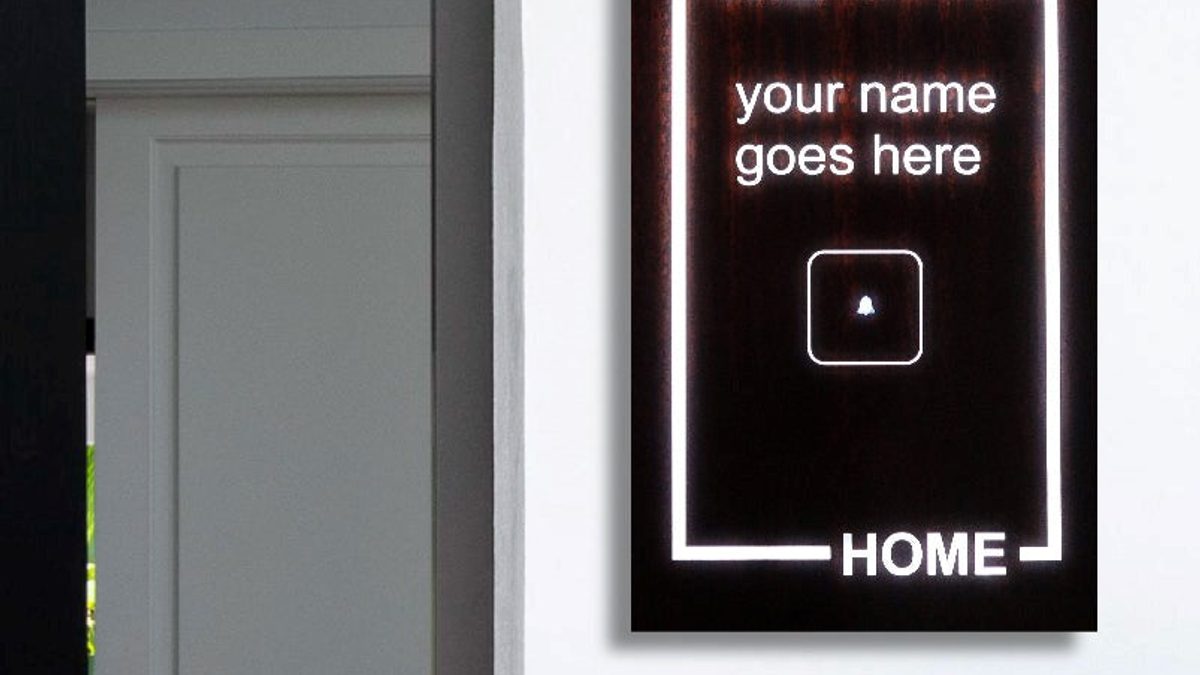
Most people pick a nameplate the way they pick a doormat — quickly, and by looks alone. Then two monsoons later the lettering has lifted, the finish has gone chalky, and the whole thing needs replacing.
A nameplate sits outdoors, in direct sun, through heavy rain, for years. The material decides almost everything about how it ages. Here's how the common options actually behave.
Acrylic
Acrylic is the default for a reason. It takes colour beautifully, supports backlighting, and can be cut into any shape you like — which makes it the only realistic choice if you want something genuinely custom.
The thing that matters is UV resistance. Untreated acrylic yellows and turns brittle under Indian sun, sometimes within a year. UV-stabilised acrylic with UV-resistant printing does not. This single specification separates a nameplate that looks new in year three from one that looks tired by month eight, and it is not something you can judge by eye at the point of purchase — you have to ask.
Best for: modern facades, backlit designs, anything where you want a specific colour or an unusual shape.
Brass
Brass is the traditional pick and it ages in a way people either love or dislike. Left alone it develops a patina — a darker, softer, slightly uneven surface. To keep it bright and mirror-like you will be polishing it every few months.
It is heavier than acrylic, which means mounting matters more, and it is the most expensive of the three. But a brass plate outlives everything else on the door, and engraved brass lettering will never peel because the letters are cut into the metal rather than printed onto it.
Best for: heritage buildings, wooden doors, anyone who wants the plate to outlast the door.
Wood
Wood is warm and looks excellent in a covered porch. In direct rain it is the weakest of the three — even sealed wood swells, and once moisture is in, warping follows.
If your door has a decent overhang, wood is a genuinely good choice. If the plate will take rain directly, it is the wrong material regardless of how well it is sealed.
Best for: sheltered entrances, interiors, apartment doors inside a corridor.
Size and placement
Two rules cover most situations:
- Legible from the gate. Roughly 25mm letter height per 5 metres of viewing distance. For a typical Indian home that means 25–40mm letters.
- Eye level, beside the door. Around 1.5m from the ground, on the handle side. Above the door looks deliberate in photographs and is hard to read in person.
Longer names need a wider plate rather than smaller text. Shrinking the type to fit is the most common mistake we see, and it defeats the entire purpose of the plate.
What actually determines lifespan
In order of impact:
- UV-resistant printing or engraving — printed-on lettering without UV protection fades first, usually well before the substrate fails
- Mounting — stainless or brass fixings. Ordinary steel screws rust and streak down the plate, which ruins the look long before anything else does
- Edge sealing — on layered or backlit plates, unsealed edges let water in between the layers
None of these are visible in a product photo. They are worth asking about directly.
If you already know roughly what you want, you can lay it out and see it rendered on a door in our design studio — material, size, font, and finish, before committing to anything.